When you click on links to various merchants on this site and make a purchase, this can result in this site earning a commission. Affiliate programs and affiliations include, but are not limited to, the eBay Partner Network.
Some back story: I'd needed to replace my thermostat for a while, but had no issues with overheating (just car taking forever to heat up over the winter), so I didn't bother. Recently, car overheated, so changed the thermostat once it happened.
My 18 year old son changed the thermostat on my car since I can no longer do repairs myself due to health problems. It was definitely bad, as it had a broken metal part where the spring slides into. There was a visible leak from the thermostat housing afterwards because he didn't notice/remove the old gasket and I also questioned if he had it in backwards, which he determined that he did, so flipped it around, removed old gasket and added new gasket and sealant. I had back surgery recently, so I wasn't able to make it outside before he finished the job to check for myself. After that, and losing the fluid from replacing/reorienting it a second time, I topped the fluid, but it never receded. I thought it might if I drove it a little, but it's still absolutely full and still overheats. I'm not sure if the thermostat is in fact backwards now, and if that could keep fluid from cycling through or what...? So, Is my new thermostat possibly backwards? Can it being reversed cause overheating/prevent fluid from cycling through? And thanks in advance
Have R&R'd the coolant bunches of times on my Pac. Every time the coolant needed topping off w/ 1 pint to quart. Sadly it sounds like the thermo may be installed inside out. The 3.5 (as well as most all engines) require the spring/copper sensor thing to be installed toward the engine side. That to ensure the copper sensor is exposed directly to the outgoing hot water. Be gentle w/ the 3.5, it may handle some overheating but the alum block/heads are delicate.
Last edited by djetelina; Jun 26, 2020 at 07:54 AM.



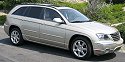
 04 Pacifica- Thermostat and related problems